
The Ancient Art of Breathing: How Somatic Breathing and Pranayama Can Help with Stress and Anxiety
When life feels overwhelming and your to-do list seems never-ending, what's the first thing people tell you? "Just breathe." And while it might feel dismissive in the moment, there's actually profound wisdom in that advice. Our breath is one of the most powerful tools we have for managing stress and anxiety, and it's been recognized as such for thousands of years.
Let’s explore together a brief history of breathwork practices, understand how they affect our nervous system, and learn three specific techniques you can use to find calm in the midst of life's stressors.
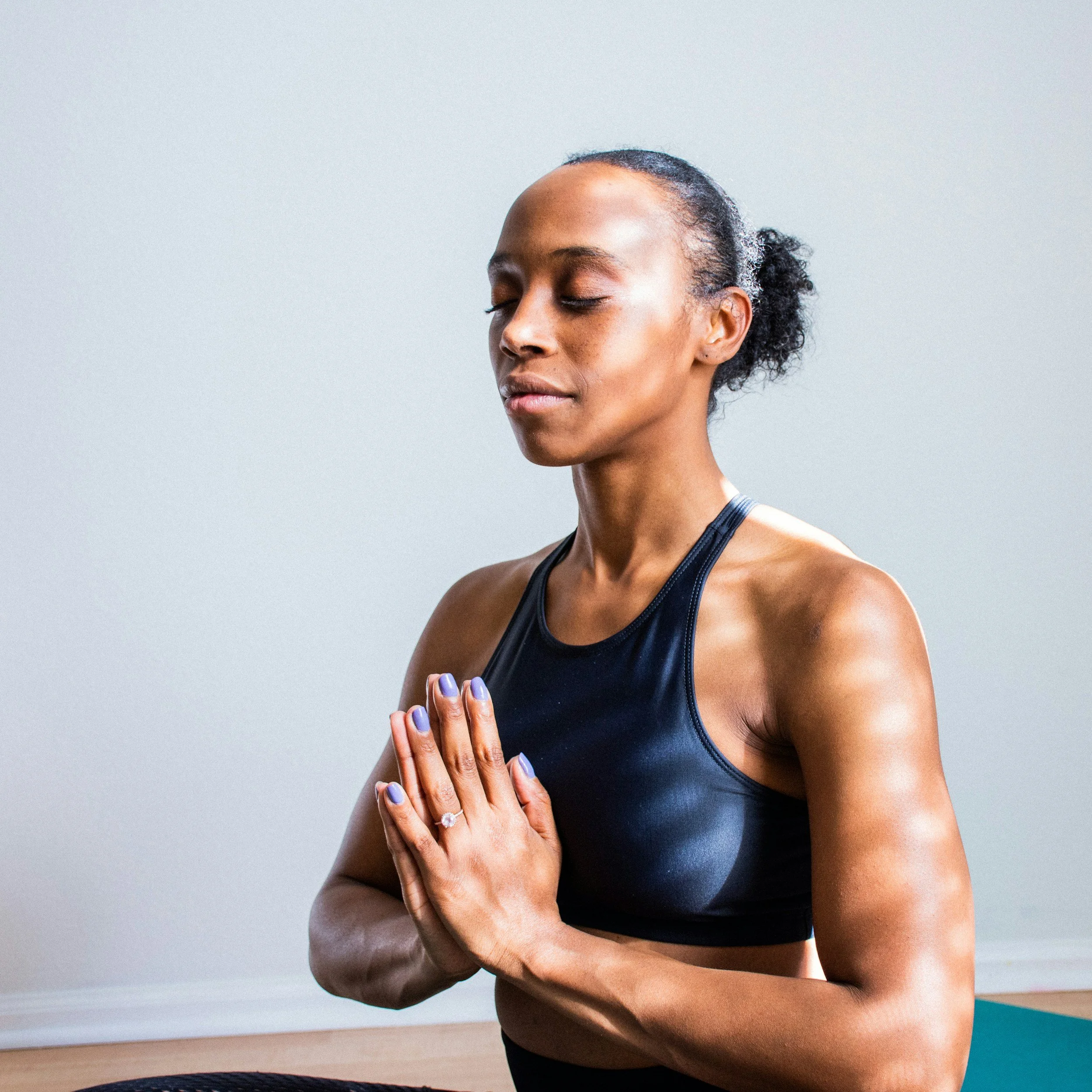
A Brief History: The Ancient Roots of Breathwork
The intentional control and awareness of breath has been practiced across cultures for millennia, each tradition recognizing breath as far more than just a biological function. Many traditions have known and understood for so long that breath can be a bridge between body, mind, and spirit.
Pranayama: The Yogic Tradition
The most well-documented ancient breathing practice comes from India, where pranayama has been a cornerstone of yoga for thousands of years. The word "pranayama" comes from Sanskrit, combining "prana" (meaning breath or life force) and "ayama" (meaning extension, expansion, or control). So pranayama literally means the extension of the life force through breath control.
Pranayama is mentioned in some of Hinduism's most sacred texts, including the Bhagavad Gita and the Upanishads, with practices dating back to around 3000 BCE. In Patanjali's Yoga Sutras (written around 200 BCE), pranayama is the fourth limb of the eight limbs of yoga. The ancient yogis developed dozens of different breathing techniques, each designed to achieve specific states of mind and levels of consciousness, from deep relaxation to heightened awareness.
The 15th century text Hatha Yoga Pradipika details eight traditional pranayama techniques that are still practiced today, including practices like alternate nostril breathing and breath retention. These were considered scientific way to regulate the power of the mind by regulating the breath.
Breathwork Across Cultures
While pranayama is perhaps the most systematized approach, breathwork appears across ancient traditions worldwide. In Chinese Taoist practices like qigong and tai chi, conscious breathing was used to cultivate "chi" (life energy) and promote longevity and wellbeing. In Hawaiian tradition, "ha" refers to both breath and spiritual power. Indigenous shamanic communities across South America, Africa, and Australia incorporated breathwork into healing rituals and spiritual practices. Even in ancient Greece and Egypt, conscious breathing was recognized as a tool for connecting mind and emotions.
What's remarkable is this universal recognition: breath is not just a biological function, it’s a pathway to holistic transformation.
From Ancient Practice to Modern Science
While our ancestors intuitively understood the power of breath, modern science has now caught up, providing evidence for what yogis have known for millennia. Research shows that pranayama and somatic breathing practices have measurable effects on our nervous system, brain function, and mental health.
How Breathwork Affects Your Nervous System
To understand how breathwork helps with stress and anxiety, we need to talk about the autonomic nervous system (ANS). The ANS controls all the unconscious functions of your body—your heartbeat, digestion, breathing rate, and stress response.
It has two main branches:
The Sympathetic Nervous System: Your "fight-or-flight" response that activates when you're stressed or perceive danger. It increases heart rate, raises blood pressure, and releases stress hormones like cortisol.
The Parasympathetic Nervous System: Your "rest-and-digest" response that promotes relaxation, lowers heart rate, and supports healing and recovery.
When we're anxious or stressed, our sympathetic nervous system is in overdrive. What's fascinating is that breathwork is one of the few ways we can consciously influence our autonomic nervous system. By changing how we breathe, we can activate the parasympathetic nervous system and shift our body from a state of stress to a state of calm.
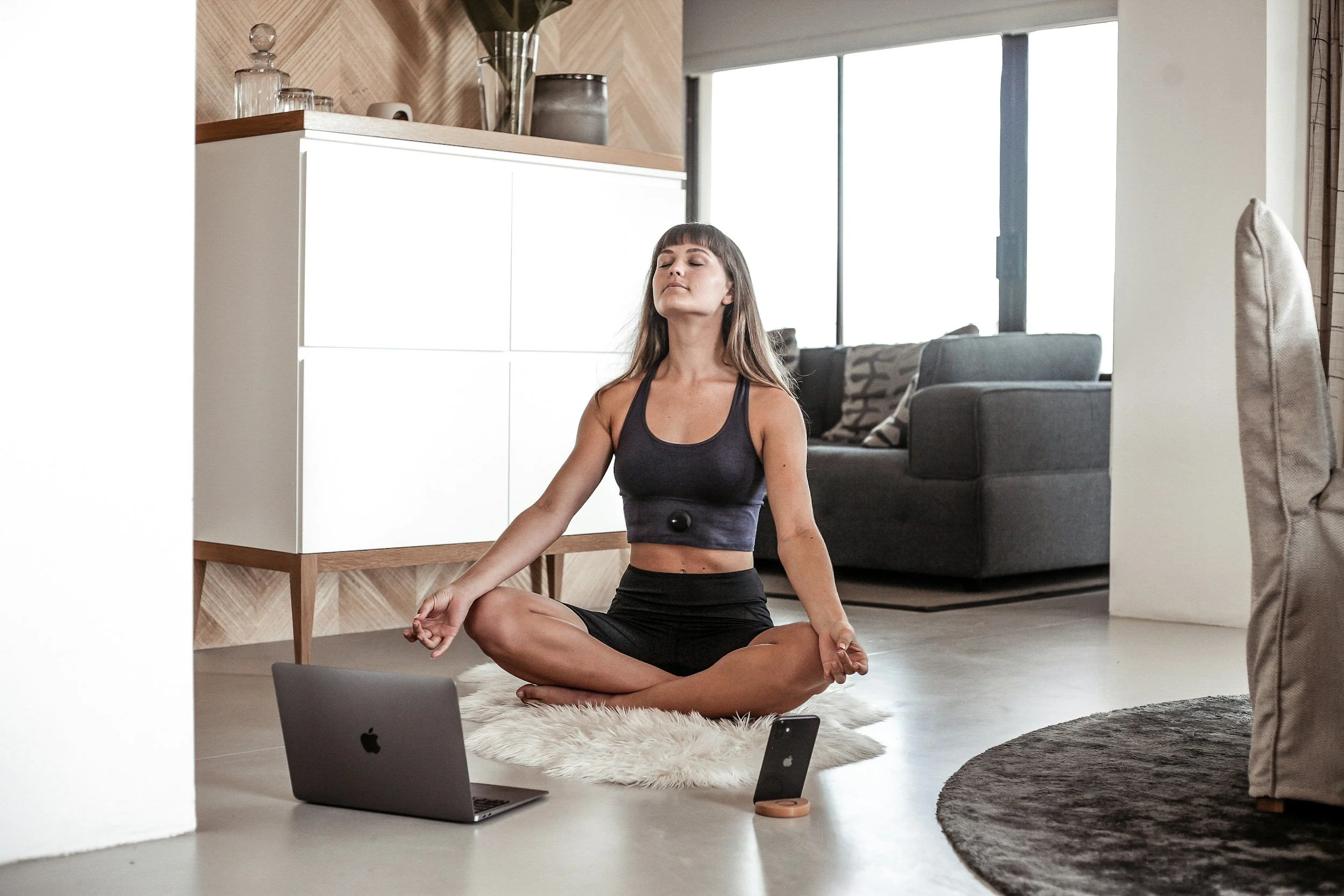
The Science Behind the Benefits
Recent research has demonstrated impressive benefits of pranayama and somatic breathing:
A randomized controlled trial found that just four weeks of Bhastrika pranayama practice significantly decreased anxiety and negative affect, while also modulating activity in brain regions involved in emotional processing, including the amygdala and prefrontal cortex (Perciavalle et al., 2020).
Multiple studies have shown that pranayama practices reduce perceived stress, with both slow and fast breathing techniques demonstrating effectiveness (Sharma et al., 2013).
Research on healthcare workers during the COVID-19 pandemic found that 28 days of pranayama practice significantly decreased perceived stress levels and improved psychological quality of life (Sarwal et al., 2024).
A systematic review examining breathing practices for stress and anxiety found that effective techniques avoided fast-only breathing and sessions shorter than 5 minutes, while including multiple sessions and long-term practice (Khoury et al., 2023).
Slow breathing, in particular, has been shown to enhance parasympathetic activity, improve vagal tone (the activity of the vagus nerve which helps regulate stress), and modulate emotional responses by affecting brain regions like the prefrontal cortex and amygdala (Zaccaro et al., 2018).
The evidence is clear: conscious breathing practices can reduce anxiety, lower stress hormones, improve heart rate variability (a marker of nervous system resilience), and even change brain activity patterns associated with emotional regulation.
Three Breathing Practices for Stress and Anxiety
Now that we understand “the why” behind breathwork, let's explore three specific practices you can use. Each serves a different purpose and can be helpful in different situations.
1. Diaphragmatic Breathing (Somatic Breathing)
What it is: Also called belly breathing or deep belly breathing, this is the foundation of most breathwork practices. It involves breathing deeply into your diaphragm rather than taking shallow chest breaths. (This is one of my personal favorites because it’s simple to learn and remember).
When to use it: This is your go-to practice for general stress management and anxiety reduction. Use it when you notice tension building up in your body, when you're feeling overwhelmed, or as a daily practice to build resilience against stress. It's particularly helpful before bed to promote relaxation and better sleep.
Why it works: Diaphragmatic breathing activates the parasympathetic nervous system through the vagus nerve, which runs through your diaphragm. This signals to your body that it's safe to relax. It also improves oxygen exchange, reduces muscle tension, and can help lower blood pressure and heart rate.
How to practice:
Find a comfortable position, either sitting or lying down.
Place one hand on your chest and one hand on your belly.
Breathe in slowly through your nose for a count of 4, allowing your belly to expand. Your chest should stay relatively still while your belly rises.
Exhale slowly through pursed lips for a count of 6-8, feeling your belly lower.
Notice the gentle rise and fall of your hand on your belly with each breath.
Continue for 5-10 minutes, or as long as feels comfortable.
Pro tip: The key is that the exhale is longer than the inhale. This extended exhalation further activates the parasympathetic nervous system and deepens the relaxation response.
2. Nadi Shodhana (Alternate Nostril Breathing)
What it is: One of the most widely practiced pranayama techniques, Nadi Shodhana involves alternating breathing through each nostril. "Nadi" means energy channel and "shodhana" means purification in Sanskrit.
When to use it: This practice is excellent when you need to calm a racing mind, reduce anxiety, or regain balance and focus. It's particularly helpful when you feel emotionally reactive, scattered, or before situations that make you nervous (like public speaking or difficult conversations). Many people find it helpful as a morning practice to start the day with clarity and calm.
Why it works: Research has shown that alternate nostril breathing helps balance the autonomic nervous system, reduces anxiety, and improves cardiovascular function. Studies have found that regular practice can reduce levels of anxiety after just a few weeks (Perciavalle et al., 2020). It's thought to harmonize the two hemispheres of the brain and regulate emotional responses.
How to practice:
Sit comfortably with your spine straight.
Rest your left hand on your knee or lap.
Bring your right hand up to your nose. You'll use your right thumb to close your right nostril and your right ring finger to close your left nostril.
Close your right nostril with your thumb and inhale slowly and deeply through your left nostril.
Close your left nostril with your ring finger, release your thumb, and exhale through your right nostril.
Inhale through your right nostril.
Close your right nostril, release your left nostril, and exhale through the left.
This completes one full cycle. Continue for 5-10 cycles or 5-10 minutes.
Pro tip: Keep your breathing smooth and steady—this isn't about taking the biggest breaths possible. The breath should be effortless and quiet. If you feel lightheaded, return to normal breathing.
3. The 4-7-8 Breath
What it is: A specific breathing pattern developed by Dr. Andrew Weil that involves inhaling for 4 counts, holding for 7 counts, and exhaling for 8 counts. While this technique is more recent than traditional pranayama, it's based on ancient yogic breathing principles.
When to use it: This is especially powerful for acute anxiety, panic attacks, or when you need to calm down quickly. Many people use it when they can't fall asleep because their mind is racing. It's also helpful before stressful events or when you notice anxiety starting to build.
Why it works: The extended exhalation and breath hold strongly activate the parasympathetic nervous system. The counting also gives your anxious mind something to focus on, interrupting the anxiety spiral. This technique has been shown to reduce anxiety, lower blood pressure, and help induce sleep.
How to practice:
Sit or lie down in a comfortable position.
Place the tip of your tongue against the ridge behind your upper front teeth and keep it there throughout the practice.
Exhale completely through your mouth, making a whooshing sound.
Close your mouth and inhale quietly through your nose for a count of 4.
Hold your breath for a count of 7.
Exhale completely through your mouth for a count of 8, making a whooshing sound.
This completes one cycle. Repeat for 3-4 cycles initially, working up to 8 cycles over time.
Pro tip: Don't worry about the exact speed of counting—what matters is the ratio of 4:7:8. Find a pace that feels comfortable for you. If holding for 7 feels too long, you can start with a 4:4:6 ratio and work your way up.
How to Integrate Breathwork into Your Routine
Like any skill, breathwork takes practice. You wouldn't expect to be great at a sport the first time you try it, and the same goes for breathwork. Here are some tips for incorporating these practices into your life:
Start small: Even 2-3 minutes a day makes a difference. You can gradually increase the duration as you become more comfortable.
Create a ritual: Link your practice to something you already do daily—like before your morning coffee, during your lunch break, or right before bed.
Be patient with yourself: Your mind will wander. That's completely normal and doesn't mean you're doing it wrong. When you notice your mind has drifted, gently bring your attention back to your breath.
Notice without judgment: Pay attention to how you feel before and after your practice, but without judging the experience as "good" or "bad." Some days it will feel easier than others, and that's okay.
Consider learning from a teacher: While these practices are safe for most people, working with a certified yoga instructor or breathwork facilitator can help you refine your technique and explore more advanced practices.
A Note of Caution
While pranayama and somatic breathing are generally safe for most people, certain techniques may not be appropriate for everyone. If you have respiratory conditions, heart problems, high blood pressure, or are pregnant, please consult with your healthcare provider before beginning a breathwork practice. If you ever feel dizzy, lightheaded, or uncomfortable during practice, return to normal breathing.
Additionally, for some people with trauma histories, focusing on the breath can sometimes trigger anxiety or panic. If this happens to you, it's okay to stop and work with a trauma-informed therapist or somatic practitioner (like me!) who can help you approach breathwork in a safe, gradual way.
Curious about How Breathwork and Psychotherapy Go Together?
In a world that often feels chaotic and out of our control, our breath is something we always have access to. It's a portable, free, and powerful tool for managing stress and anxiety. The ancient yogis understood this thousands of years ago, and modern science continues to confirm what they knew intuitively: by changing how we breathe, we can change how we feel.
Whether you're dealing with daily stress, struggling with anxiety, or simply looking for ways to feel more grounded and present in your life, these breathing practices offer a path forward. Start with just a few minutes a day, be patient with yourself, and notice what shifts. Your breath has been with you your whole life—now it's time to truly harness its power.
If you're interested in exploring how breathwork can support your mental health journey, or if you'd like to learn more somatic techniques for managing anxiety and stress, I'm here to help. Start by scheduling a free consultation call today.
References
Khoury, B., Knäuper, B., Schlosser, M., Carrière, K., & Chiesa, A. (2023). Breathing practices for stress and anxiety reduction: Conceptual framework of implementation guidelines based on a systematic review of the published literature. Brain Sciences, 13(12), 1612. https://doi.org/10.3390/brainsci13121612
Perciavalle, V., Blandini, M., Fecarotta, P., Buscemi, A., Di Corrado, D., Bertolo, L., Fichera, F., & Coco, M. (2020). Effects of yoga respiratory practice (Bhastrika pranayama) on anxiety, affect, and brain functional connectivity and activity: A randomized controlled trial. Frontiers in Psychiatry, 11, 467. https://doi.org/10.3389/fpsyt.2020.00467
Sarwal, A., Walker, R., Sharma, M., Nethan, S., & Singh, S. K. (2024). Effect of pranayama on perceived stress, well-being and quality of life of frontline healthcare professionals on COVID-19 duty: A quasi-randomised clinical trial. International Journal of Psychology, 59(3), 517-527. https://doi.org/10.1002/ijop.13131
Sharma, V. K., Trakroo, M., Subramaniam, V., Rajajeyakumar, M., Bhavanani, A. B., & Sahai, A. (2013). Effect of fast and slow pranayama on perceived stress and cardiovascular parameters in young health-care students. International Journal of Yoga, 6(2), 104-110. https://doi.org/10.4103/0973-6131.113400
Yilmaz Balban, M., Neri, E., Kogon, M. M., Weed, L., Nouriani, B., Jo, B., Holl, G., Zeitzer, J. M., Spiegel, D., & Huberman, A. D. (2023). Brief structured respiration practices enhance mood and reduce physiological arousal. Cell Reports Medicine, 4(1), 100895. https://doi.org/10.1016/j.xcrm.2022.100895
Zaccaro, A., Piarulli, A., Laurino, M., Garbella, E., Menicucci, D., Neri, B., & Gemignani, A. (2018). How breath-control can change your life: A systematic review on psycho-physiological correlates of slow breathing. Frontiers in Human Neuroscience, 12, 353. https://doi.org/10.3389/fnhum.2018.00353